

The concept of “emotional intelligence” has become deeply embedded in modern psychology, education, leadership training, parenting discourse, and workplace culture. It is often treated as a marker of maturity, wisdom, social competence, or even moral development. Calm people are described as emotionally intelligent. Reactive people are described as lacking emotional intelligence. Entire industries have formed around teaching it. I am regularly contacted by professionals who say they do not have it and need it, and parents who want me to help their children “learn” it. It has become something of a “subject” that can supposedly be taught.

“Do you have life figured out?“ A client recently asked me that during a coaching session. Not as a challenge, and not with irony — but as a genuine question. And in many ways, that’s what made it so telling. The question itself points to how deeply we’ve been taught to think of life as […]
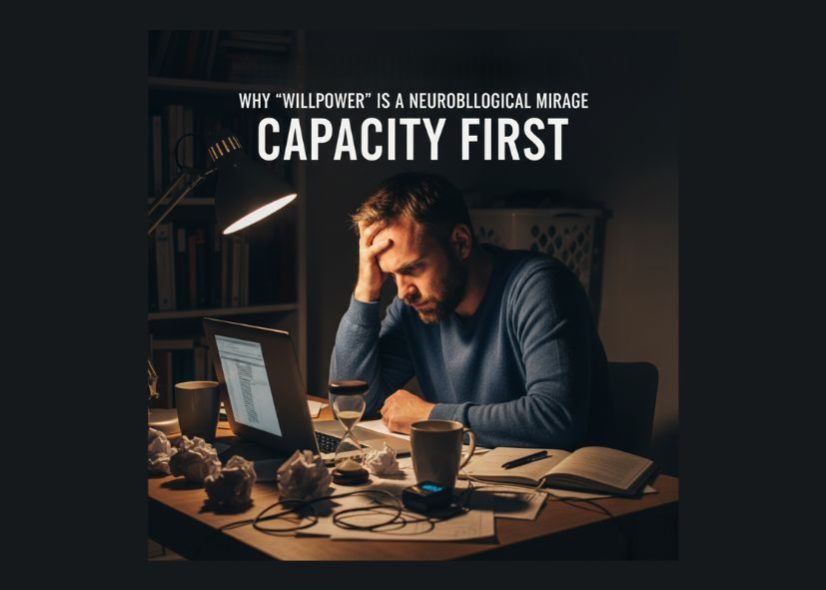
Why “Willpower” is a Neurobiological Mirage In our productivity-obsessed culture, we have elevated “willpower” to the status of a moral virtue. We speak of it as a muscle to be flexed, a reservoir of character that separates the “disciplined” from the “unsuccessful.” But for the neurodivergent community—and indeed for anyone living under chronic stress—this narrative […]